


Emergency Communications Week looks at how dispatch is changing — from smarter tools and automated routine tasks to new approaches that reduce unnecessary 911 demand. Together, these pieces show how agencies are improving safety, efficiency and real-time awareness for dispatchers, strengthening their role as first responders.


Learn how modern towing workflows can cut response times and clear scenes faster
THE FUTURE OF EMERGENCY COMMUNICATIONS

In its first two weeks, the Sparks Police Department’s AI assistant handled 25% of non-emergency calls, helping reduce hold times and easing pressure on dispatchers


From call handling to real-time visibility, this checklist helps agencies assess whether their dispatch workflows are keeping pace with today’s emergency communications demands
THE MENTAL LOAD OF DISPATCH

Dispatchers are often the first to hear chaos, fear and loss unfold in real time, yet many remain excluded from the wellness resources, debriefings and peer support systems available to sworn personnel
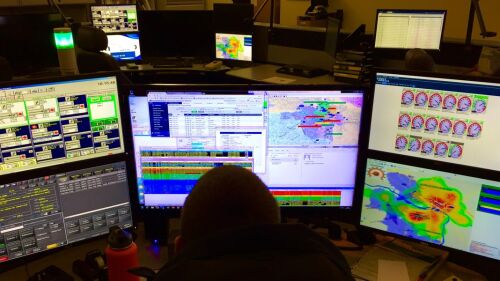
Just because 911 dispatchers don’t witness trauma firsthand doesn’t mean they are not potentially vulnerable to the stressful aftermath

Subtle shifts in thinking add up to big results, offering greater levels of resilience to draw from during challenging times

What Outagamie County’s purpose-built 911 center reveals about resilience, technology readiness and dispatcher well-being

Amid a nationwide staffing shortage, learn how you can support the lifesaving role of public safety dispatchers – the FIRST first responders

A discussion of the groundbreaking findings of Carbyne’s “Pulse of 9-1-1 State of the Industry Survey” and the state of the emergency communications profession
60-second sitting stretch for dispatchers
Dispatchers spend long hours seated, focused and under pressure, which can lead to neck, shoulder and back tension. In this video, Lexipol Senior Strategic Wellness Director Mandy Nice demonstrates a simple seated stretch designed to relieve stiffness, improve posture and provide a quick physical and mental reset during the workday.
ADDITIONAL EMERGENCY COMMUNICATIONS NEWS & INSIGHTS

As 911 centers face growing demand, AI call automation can reduce hold times, ease workload and improve service without adding personnel

California averages 2 officers per 1,000 residents — nearly half the national rate, according to the Peace Officers Research Association of California

AI assistant “Ava” handles a range of lower-priority issues for the Volusia County Sheriff’s Office, such as noise complaints, minor traffic issues and potholes

A Fountain Inn couple’s nightly Halloween display keeps prompting 911 calls and fire department responses despite posted warnings.

Great Lakes region ECCs lead adoption of new protocol to guide dispatchers in handling suicidal callers

Purgatory, a group affiliated with The Com, which is a loose network of online threat actors, has been linked to some of the recent swats

An independent review says incident command wasn’t formally established until 25 minutes after the shooter was in custody and fire crews were dispatched late