


Emergency Communications Week looks at how dispatch is changing — from smarter tools and automated routine tasks to new approaches that reduce unnecessary 911 demand. Together, these pieces show how agencies are improving safety, efficiency and real-time awareness for dispatchers, strengthening their role as first responders.


Learn how modern towing workflows can cut response times and clear scenes faster
THE FUTURE OF EMERGENCY COMMUNICATIONS

In its first two weeks, the Sparks Police Department’s AI assistant handled 25% of non-emergency calls, helping reduce hold times and easing pressure on dispatchers


From call handling to real-time visibility, this checklist helps agencies assess whether their dispatch workflows are keeping pace with today’s emergency communications demands
THE MENTAL LOAD OF DISPATCH

Dispatchers are often the first to hear chaos, fear and loss unfold in real time, yet many remain excluded from the wellness resources, debriefings and peer support systems available to sworn personnel
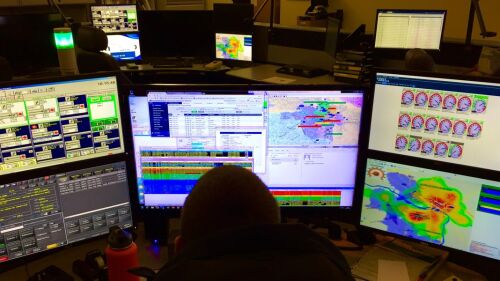
Just because 911 dispatchers don’t witness trauma firsthand doesn’t mean they are not potentially vulnerable to the stressful aftermath

Subtle shifts in thinking add up to big results, offering greater levels of resilience to draw from during challenging times

What Outagamie County’s purpose-built 911 center reveals about resilience, technology readiness and dispatcher well-being

Amid a nationwide staffing shortage, learn how you can support the lifesaving role of public safety dispatchers – the FIRST first responders

A discussion of the groundbreaking findings of Carbyne’s “Pulse of 9-1-1 State of the Industry Survey” and the state of the emergency communications profession
60-second sitting stretch for dispatchers
Dispatchers spend long hours seated, focused and under pressure, which can lead to neck, shoulder and back tension. In this video, Lexipol Senior Strategic Wellness Director Mandy Nice demonstrates a simple seated stretch designed to relieve stiffness, improve posture and provide a quick physical and mental reset during the workday.
ADDITIONAL EMERGENCY COMMUNICATIONS NEWS & INSIGHTS

The Enhancing First Response Act would recognize dispatchers’ lifesaving role and improve emergency communications infrastructure

Under Act 259, a lawsuit may be filed against anyone who causes an officer to come to a location to contact another person with the intent to harass or embarrass the person

Launched from rooftops, Huntington Beach PD’s drones can be overhead in two minutes or less, improving situational awareness and reducing unnecessary officer deployments

Agency coordinators will enroll staff statewide as part of a program that enhances training, technology and operational consistency

“We just believe that when we can reduce the response time using technology, it will improve safety and survivability of those calling in,” Collier County Sheriff Kevin Rambosk said
Wellness programs are expanding as dispatch centers race to adopt artificial intelligence, new tech tools and stronger retention models

Agencies are using artificial intelligence to fix dispatch staffing, speed up response and break down language barriers — but ethical landmines remain