


The Lauderhill PD announced that it had begun termination proceedings against Officer Brian Sguros, after an Internal Affairs investigation concluded, but the officer resigned before final action
The suspect followed the Yakima County Sheriff’s Office cruiser, striking it at least four times and injuring the deputy inside
U.S. District Judge Stephanie Gallagher sentenced the man to 18 months in prison for assaulting, resisting, or impeding federal officers or employees after he headbutted an officer in Baltimore
The Arlington County Police Department shooting of the knife-wielding suspect occurred after nearly three hours of negotiations and several less-lethal deployments
Logan County Sheriff’s Office Deputy Caden Mullins was killed in the collision; a passenger in the cruiser was airlifted to receive medical treatment
EXCLUSIVES


UPCOMING & ON-DEMAND EVENTS

Financial Services
Find opportunities that connect your community’s needs with your next grant application.

Practical patrol guidance for using pepper projectile systems to increase compliance, improve team coordination and reduce risk during high-stakes standoffs.

Explore practical ways to deliver inmate education within your staffing, space and budget

Strengthen CJIS readiness across every access point

Explore how secure AI can strengthen agency readiness without compromising control

Learn how agencies are improving accountability and gaining better visibility into the vehicles and equipment their personnel rely on

Financial Services
Avoid common registration delays that could cost you funding opportunities

How agencies can cut through information overload, get critical intelligence to the right people and turn real-time information into better operational outcomes

Revisit unsolved cases with smarter tools that complement investigative expertise

Learn how agencies can move beyond proprietary hardware, lengthy replacement cycles and manual video offload

Transform stress management from a personal concern into an agency priority

See how rugged computing and AI-powered visual intelligence can give officers greater clarity, faster insights and safer outcomes in the field.
SPECIAL REPORTS


INDUSTRY INSIGHTS

AI-powered video restoration for public safety

For more than 16 years, the community has used an open-platform video network to help officers respond faster, strengthen investigations and expand situational awareness

Founded by a physicist, the company builds signal-blocking bags that isolate a device the moment it goes inside, protecting both digital evidence and officer safety

How KCFD’s Special Operations team paired LiveU IP-bonded connectivity with hands-on field training to grow its DFR program and keep video flowing
WATCH NOW

Dr. Nicole Cain of American Military University says younger people want purpose and policing offers it, but agencies don’t always get that message across in their recruitment campaigns


OFF DUTY

Enjoy a collection of classic games and puzzles.

Our all-in-one resource for life beyond the uniform, from fitness and health to money matters and entertainment, and more.

From “CSI” to “The Wire,” the 2000s brought high-tech crime labs, morally complicated cops and some of the most realistic (and least realistic) portrayals of law enforcement
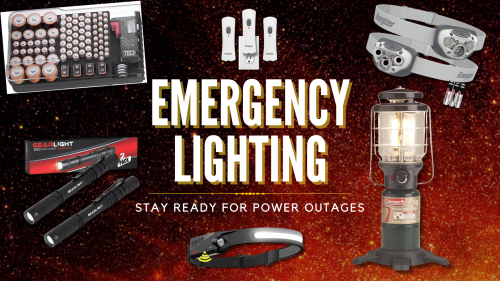
From flashlights to gas lanterns, discover versatile and reliable tools to keep your environment well-lit during emergencies

How officers can prepare their children for critical incident footage and decide whether watching it is appropriate

Police work, murder investigations and ... show tunes? The short-lived 1990 series “Cop Rock” remains one of television’s strangest experiments

From “Law & Order” to “COPS,” the 1990s brought grittier police dramas, groundbreaking reality TV and some of the most influential portrayals of law enforcement on TV

The Gratitude Initiative, FOP and Police1 launch national campaign to recognize law enforcement children and expand college and career support for police families

Known for finding suspects who didn’t want to be found, Deputy Dirk Stolz helped guide his son from a frozen Wisconsin pond to Olympic gold

From “Hill Street Blues” to “Miami Vice,” 1980s police dramas mixed realism, spectacle and pure fantasy — with only a few getting it right
PRODUCT RESEARCH CATEGORIES

The Police1 Footwear category is a comprehensive resource for researching footwear options suitable for law enforcement personnel. Quality footwear is essential for ensuring comfort, protection, and mobility during long shifts.
The Police1 Police Motorcycles & Accessories product category, which covers motorcycle-specific boots and apparel, helmets and more, is a collection of info and resources for researching Motorcycle Accessories and Gear purchases.

The Police1 Bags and Cases category is a collection of information and resources for researching bags and cases suitable for law enforcement equipment storage and transport. Quality bags and cases are essential for protecting and organizing gear.

The Police1 Police Shotgun product category is a collection of information, product listings and resources for researching Shotguns. It covers a variety of shotgun models and accessories.

The Police1 Facial Recognition Software category is a comprehensive resource for researching facial recognition technology solutions. Facial recognition is crucial for identifying individuals and supporting investigative efforts.

The Police1 Fleet Management Software category is a repository of information and resources for researching fleet management solutions for law enforcement agencies. Effective fleet management is crucial for ensuring operational readiness.
Accessories provide law enforcement officers with functional gear that supports comfort, safety, and performance on duty. This topic covers items such as gloves, hats, belts, patches, and protective eyewear designed for daily wear and operational needs. The right accessories can enhance mobility, improve protection, and ensure a professional appearance. Related content on Body Armor explores additional protective equipment essential for officer safety. Explore articles on product features, durability, maintenance, and best practices for selecting accessories that meet the demands of local, state, and federal law enforcement.

The Police1 Police Motorcycles & Accessories product category, which covers several models with a variety of options suited for different purposes and situations, is a collection of information and resources for researching law enforcement motorcycles.

The Police1 Police Shooting Range Equipment product category is a collection of information, product listings and resources for researching Shooting Range Equipment. It covers paper and cardboard targets, steel targets, 3D targets and more.

The Police1 Chemical Detection category is a comprehensive resource for researching chemical detection solutions for law enforcement. These devices are crucial for identifying hazardous substances and ensuring safety.
FEATURED EDUCATION

Graduate in one year from MBU’s highly respected and fully accredited online Criminal Justice master’s degree program. Recently reduced tuition makes our Criminal Justice master’s degree more affordable than ever. Courses are taught by experts with real-life experience. A Criminal Justice Bachelor’s degree is also available.

UNT Dallas offers a new Master of Science in Criminal Justice degree with a Specialization in Justice and Mental Health Policy. The 100% online program is designed for working professionals. This policy-focused program prepares students in criminal justice professions to advance to higher levels of leadership and administration and more effectively combat the rising challenges of mental illness in the administration of justice.
UNT Dallas is proud to introduce this innovative and timely Specialization nationally. It addresses the critical intersection between mental health and its profound influence on the criminal justice system. Click here to apply now. It’s quick and easy.
UNT Dallas is proud to introduce this innovative and timely Specialization nationally. It addresses the critical intersection between mental health and its profound influence on the criminal justice system. Click here to apply now. It’s quick and easy.